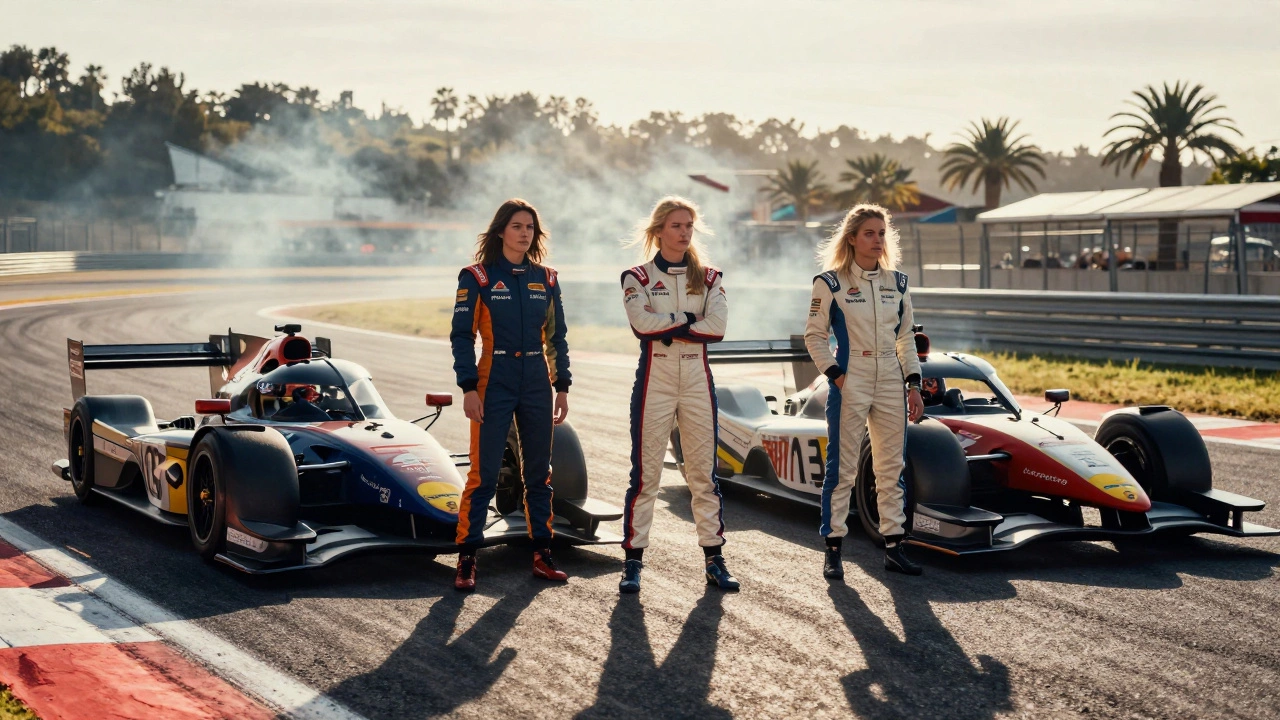
Nice isn’t just about the Mediterranean breeze and old-world cafés. On certain weekends, the city transforms into a high-speed playground where engines roar, tires scream, and women in racing suits take control of the track like they’ve been born behind the wheel. This isn’t a movie scene. It’s real. And the movement is growing. Local organizers in Nice have started inviting women-some professional, some just passionate-to join track days that aren’t about showing off, but about learning, pushing limits, and reclaiming space in a space that’s long felt like it was built for someone else.
While this scene unfolds in France, some might wonder how it connects to the broader culture of performance and presence. For those curious about the intersection of confidence, style, and speed, you might find a parallel in the world of sexmodel paris, where presence is curated, power is projected, and the camera isn’t the only thing that’s focused. But here, on the track, there’s no lens. Just asphalt, adrenaline, and the raw sound of a car responding to a driver’s will.
Why Nice? Why Now?
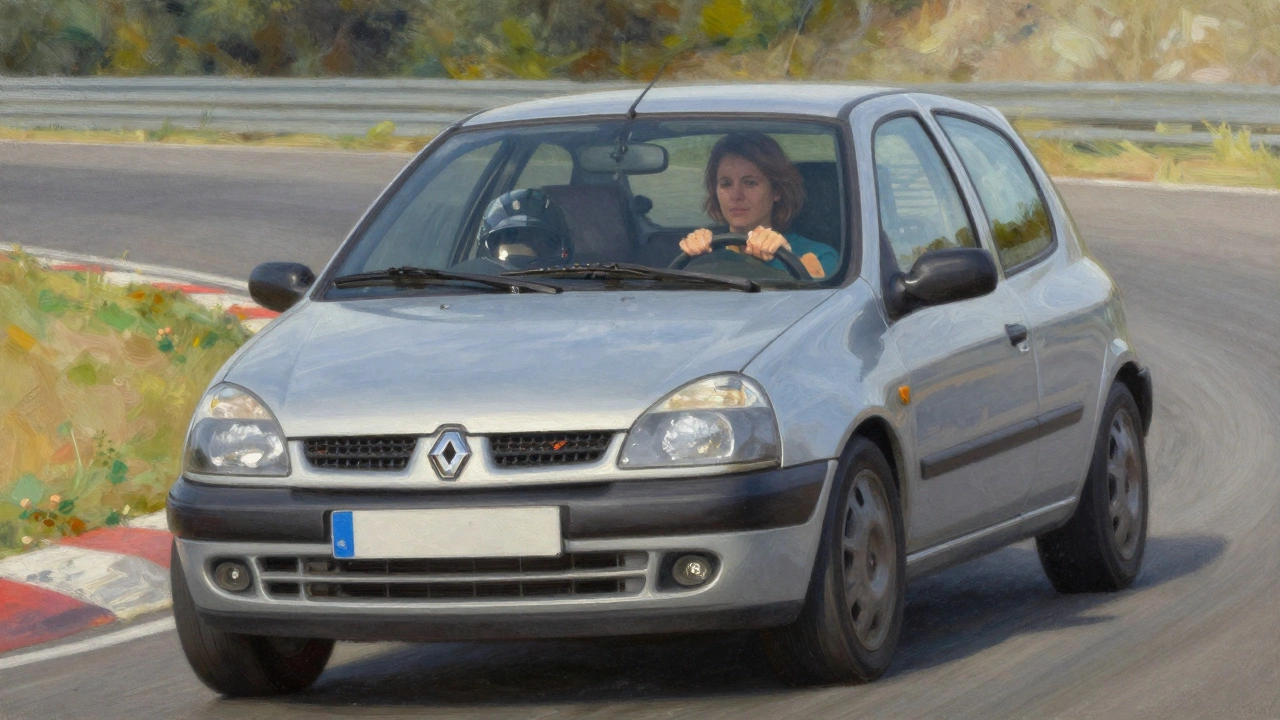
Nice has quietly become one of Europe’s most accessible cities for track experiences. The Circuit de la Côte d’Azur, just outside the city, offers a mix of technical corners and long straights that challenge even seasoned drivers. What makes it special isn’t the track itself-it’s the community. Unlike big-name circuits where entry fees can hit €1,000 and you’re surrounded by corporate sponsors, Nice’s track days are run by small clubs who care more about skill than status. Women make up nearly 40% of participants now, up from just 8% five years ago.
One organizer, a former rally co-driver named Léa Moreau, started these sessions after noticing how few women showed up at regional events. "It’s not that women don’t want to drive fast," she says. "It’s that they’re rarely told they can. Or shown how."
What Happens on a Track Day in Nice?
It’s not a race. There are no trophies. No podiums. Just a structured day broken into three parts: classroom, lapping, and feedback.
- Classroom (90 minutes): Covers car control basics-weight transfer, braking zones, line selection. No jargon. No condescension. Just clear, practical explanations.
- Lapping (3-4 sessions): Drivers take turns on the track in their own cars or rented performance vehicles. Instructors ride shotgun, giving real-time tips. No timing chips. No pressure to go faster than you’re ready for.
- Feedback (30 minutes): One-on-one debriefs. What worked. What didn’t. What to try next time. Many leave with a notebook full of notes, not just a photo of their car.
Participants range from 22-year-old engineering students to 58-year-old mothers who’ve never driven a manual before. One woman, Claire, a nurse from Marseille, came after her husband passed away. "I needed to feel alive again," she told me. "The track didn’t care if I was sad. It just asked me to focus. And that was enough."
Who Are the Women on the Track?
They’re not models. Not influencers. Not celebrities. But they’ve got something just as powerful: competence.
There’s Sofia, who runs a small auto repair shop in Lyon and drives a modified Renault Clio. She’s won two regional autocross events. Then there’s Amira, a French-Algerian software developer who started with go-karts at 16 and now teaches track driving to teens. And then there’s the quiet one-Marie-who drives a 1998 Porsche 911 she restored over seven years. She doesn’t post online. She doesn’t need to. She just shows up.
These women aren’t here to prove anything to men. They’re here to prove something to themselves. And that’s why the atmosphere is so different from what you’d find at a car show or a racing festival. There’s no posing. No flexing. Just quiet intensity.
The Rise of the Female Driver in European Motorsport
France has seen a 200% increase in women’s motorsport licenses since 2020, according to the Fédération Française du Sport Automobile. That’s not a fluke. It’s the result of grassroots efforts like the ones in Nice, plus national programs that offer subsidized training for women under 30.
It’s also tied to a cultural shift. Younger generations don’t see motorsport as a male-dominated sport-they see it as a skill-based one. And skills can be learned. By anyone.
Even Formula 1 has noticed. While the top tier still lacks gender parity, teams like Alpine and McLaren now actively recruit female engineers, mechanics, and test drivers. And some of those women started exactly where these Nice track days begin: nervous, unsure, but willing to try.
What You Need to Get Started
You don’t need a race car. You don’t need a helmet (they’re provided). You don’t even need to know how to drive stick. Here’s what you do need:
- A valid driver’s license
- Comfortable clothes (no flip-flops, no loose jackets)
- Willingness to listen
- €120-€180 for a full day (includes car rental, instruction, insurance)
Most events are held on weekends between March and November. Registration fills up fast. You can sign up through the Association des Conductrices de Circuit website. No experience required. No judgment.
What It Feels Like
One participant described it this way: "It’s the first time in my life I felt like my body and the machine were speaking the same language. No one was watching me. No one was judging me. I was just… driving. And for those few minutes, I was completely free."
That’s the real magic. It’s not about speed. It’s about presence. About taking control-not of a car, but of your own narrative.
Why This Matters Beyond the Track
When women take the wheel on a race track, they’re not just learning how to corner or brake. They’re rewriting a story. A story that says certain spaces-whether it’s a garage, a boardroom, or a Formula 1 pit lane-are meant for men. The track doesn’t care about your gender. It only cares about your focus, your timing, your courage.
And in a world where so many things still feel out of reach, sometimes all you need is a single moment where you realize: you belong here.
That’s why events like this in Nice matter. Not because they’re flashy. But because they’re quiet. And real. And changing lives, one lap at a time.
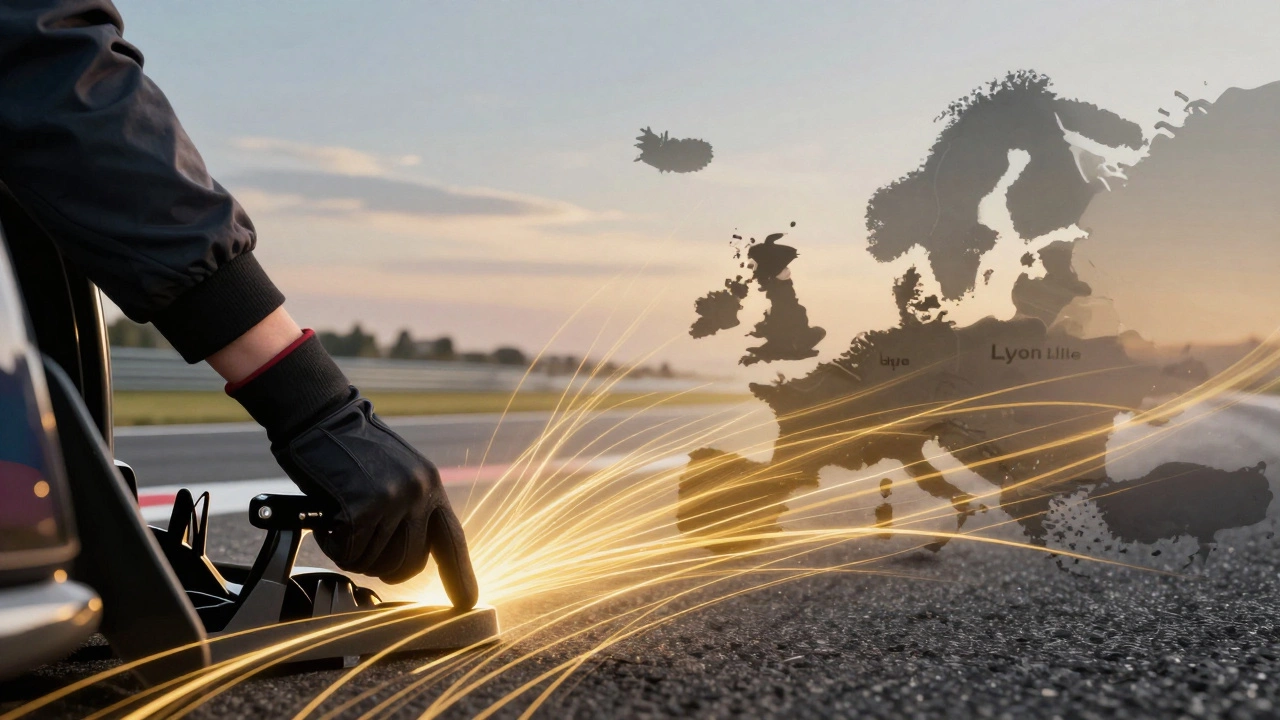
There’s a growing movement in Europe-not just in motorsport, but in how we define who gets to be powerful, who gets to be fast, who gets to be seen. And it’s not being led by ads or influencers. It’s being led by women showing up, again and again, on tracks from Lyon to Lille to Nice.
And yes, if you’re wondering about the connection to other worlds of performance-like the ones described by escort grils paris or sex model paris-there’s a thread. Confidence. Control. Presence. But here, on the track, you don’t need a camera to prove you’re powerful. You just need to turn the key, press the pedal, and go.